
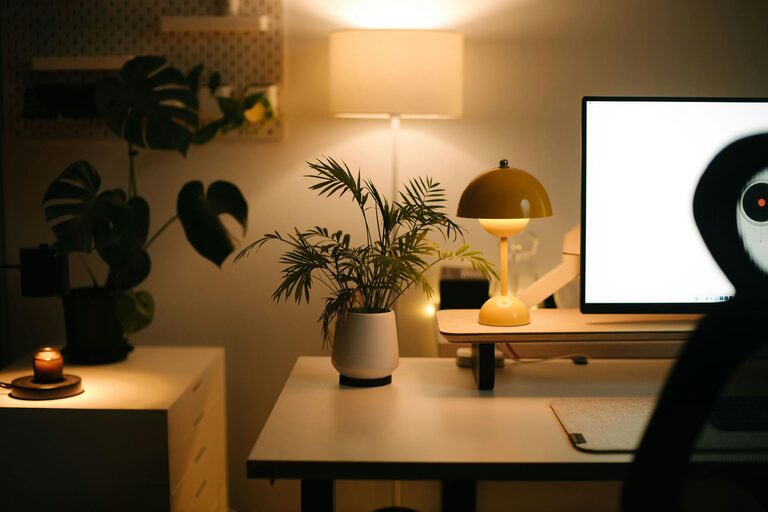
Creating a comfortable and productive home workspace is more important than ever. Whether you work remotely full-time or occasionally need a quiet spot to focus, having a dedicated area that suits your needs can make a huge difference in your workday. In this post, we’ll explore essential tips for setting up a home office that supports your well-being and enhances productivity.
Why a Good Home Workspace Matters
Working from home comes with unique challenges. Distractions, poor posture, and clutter can all affect your focus and comfort. A thoughtfully designed workspace helps you:
– Maintain good posture and reduce physical strain
– Concentrate better and stay organized
– Separate work from leisure time
– Feel motivated and professional
Choosing the Right Location
Find a Quiet Spot
Select a place with minimal noise and interruptions. A spare room or a quiet corner away from household traffic is ideal. If space is limited, consider using room dividers or noise-canceling headphones.
Take Advantage of Natural Light
Natural light improves mood and reduces eye strain. Position your desk near a window if possible, but avoid glare on your screen by angling your workstation appropriately.
Ergonomic Setup for Comfort
Invest in a Quality Chair
A supportive chair is crucial. Look for adjustable height and lumbar support so you can maintain good posture throughout the day. Avoid sitting on couches or beds for long work periods.
Desk Height and Monitor Position
Your desk should allow your elbows to rest comfortably at a 90-degree angle when typing. Place your monitor at eye level about an arm’s length away to prevent neck strain.
Keyboard and Mouse Placement
Keep your keyboard and mouse close to avoid reaching. Consider ergonomic keyboards or mouse designs if you experience wrist discomfort.
Organizing Your Workspace
Declutter Regularly
A tidy space reduces stress and distractions. Keep only the essentials on your desk and organize papers and supplies in drawers or containers.
Use Storage Solutions
Shelves, organizers, and filing systems help keep items in order. Label boxes or folders to find things quickly.
Cable Management
Untangle and secure cables with clips or ties to prevent mess and accidents.
Personalizing Your Area
Add Plants
Houseplants can improve air quality and create a calming atmosphere. Choose low-maintenance plants like succulents or pothos.
Use Inspiring Decor
Photos, artwork, or motivational quotes can boost your mood, but keep decorations minimal to avoid clutter.
Adjust Lighting
Besides natural light, use task lighting such as desk lamps with adjustable brightness to reduce eye strain, especially during evening work sessions.
Managing Time and Breaks
Set Boundaries
Define your work hours and communicate them with family or housemates to minimize interruptions.
Schedule Breaks
Taking short, regular breaks helps maintain focus and reduces fatigue. Try the Pomodoro technique: work for 25 minutes, then take a 5-minute break.
Incorporate Movement
Stand, stretch, or walk briefly during breaks to improve circulation and relieve tension.
Technology and Connectivity
Reliable Internet
Ensure you have a strong internet connection to avoid disruptions during meetings and online tasks.
Essential Tools
Use noise-canceling headphones, external keyboards, or webcams if needed to improve the remote work experience.
Backup Your Data
Regularly save and back up your work to avoid losing important files.
Maintaining Work-Life Balance
Separate Work and Relaxation Zones
If possible, keep your workspace separate from personal areas to psychologically distinguish work time from leisure.
End Your Day with Routine
Close your laptop, tidy your desk, and follow a routine that signals the end of work to transition smoothly into personal time.
Conclusion
Creating a comfortable and productive home workspace involves more than just setting up a desk. By paying attention to ergonomics, organization, lighting, and personal touches, you can design an environment that supports your focus and well-being. Small adjustments can lead to big improvements in how you feel and perform throughout the workday. Start with these tips to transform your home office into a space you enjoy working in.