
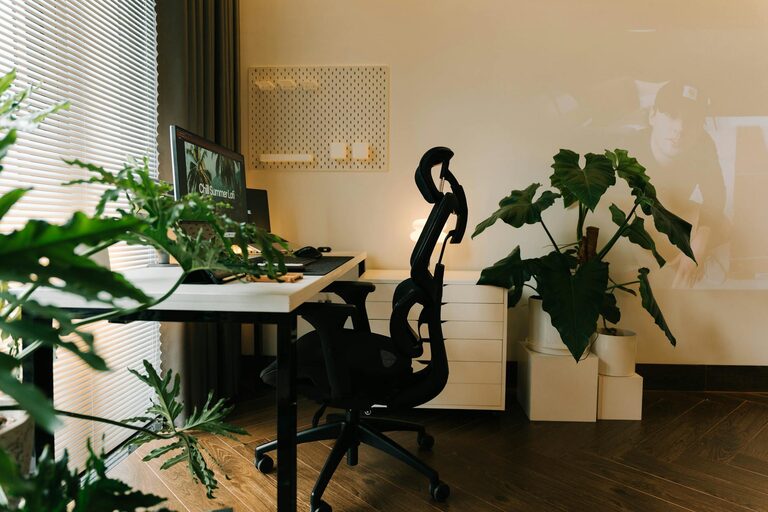
Creating a relaxing home workspace is essential for maintaining productivity and comfort during your workday. Whether you work remotely full-time or occasionally, having a space dedicated to focus and calm can improve your efficiency and overall well-being. In this post, we’ll explore practical tips to help you design a workspace that inspires you and supports your work habits.
1. Choose the Right Location
The first step in creating a relaxing workspace is selecting an appropriate spot in your home. Consider the following:
– Natural light: Position your desk near a window if possible. Natural light boosts mood and reduces eye strain.
– Quiet environment: Pick a space away from heavy foot traffic, noise, or distractions.
– Space to move: Make sure there’s enough room for your chair to move freely and for you to stretch comfortably.
If space is limited, even a small corner can be transformed into a productive area with the right setup.
2. Invest in Comfortable Furniture
Your chair and desk are the foundation of your workspace comfort. Here’s what to look for:
– Ergonomic chair: Choose a chair with good lumbar support, adjustable height, and comfortable padding to reduce back pain.
– Appropriate desk height: Your desk should allow your arms to rest comfortably at about a 90-degree angle.
– Additional accessories: Consider a footrest, keyboard tray, or monitor stand to optimize posture.
Comfortable furniture will help you stay focused and reduce physical strain during long work sessions.
3. Declutter and Organize
A cluttered workspace can cause stress and reduce productivity. Keep your area tidy by:
– Using storage solutions: Shelves, drawers, and desk organizers help keep supplies and documents in order.
– Limiting items on your desk: Keep only essential items within reach to minimize distractions.
– Regular cleaning: Make it a habit to tidy your workspace at the end of each day to start fresh.
An organized space promotes a clear mind and makes it easier to find what you need.
4. Personalize Your Workspace
Adding personal touches can make your workspace feel inviting and calming:
– Plants: Adding greenery improves air quality and creates a serene atmosphere.
– Artwork or photos: Display images that inspire or soothe you.
– Comfort items: Use a soft blanket, cushion, or stress ball to add comfort.
Just be mindful not to overcrowd your desk with too many decorations.
5. Control Lighting and Temperature
Proper lighting and room temperature significantly affect your comfort and productivity. Consider these tips:
– Adjustable lighting: Use a combination of natural light and task lighting such as desk lamps with adjustable brightness.
– Avoid glare: Position screens and lights to prevent reflections and eye strain.
– Comfortable temperature: Maintain a moderate room temperature, ideally between 68°F and 72°F (20°C to 22°C).
If needed, keep a small fan or heater nearby for quick adjustments.
6. Minimize Distractions
To maintain focus, create an environment that reduces interruptions:
– Noise control: Use noise-canceling headphones or background white noise if you can’t control external sounds.
– Turn off notifications: Manage phone and computer alerts during work hours.
– Clear boundaries: Communicate your work schedule and space boundaries with household members.
A distraction-free workspace supports sustained concentration and productivity.
7. Incorporate Movement Breaks
Sitting for long periods can lead to fatigue and discomfort. Encourage movement by:
– Standing desks: Consider an adjustable desk to alternate between sitting and standing.
– Stretching reminders: Use apps or timers to prompt you to stretch or walk briefly every hour.
– Desk exercises: Simple stretches and movements can help keep your body active.
Taking breaks improves circulation and refreshes your mind.
8. Use Calming Colors and Scents
The colors and scents in your workspace can influence your mood:
– Choose soft colors: Shades like light blue, green, or beige create a peaceful environment.
– Aromatherapy: Use subtle scents like lavender or eucalyptus with essential oil diffusers or candles to promote relaxation.
Avoid overly bright or harsh colors and strong fragrances that might distract you.
Summary
Designing a relaxing home workspace is about creating an environment that supports your comfort, focus, and well-being. By selecting the right location, investing in ergonomic furniture, organizing your space, and adding personal touches, you can build a workspace that helps you work effectively and enjoyably. Remember to control lighting and temperature, minimize distractions, incorporate movement, and use calming colors and scents as part of your setup.
With these tips, your home workspace will become a place where productivity and comfort go hand in hand. Take the time to refine your space—your workday will thank you!